
Key Takeaways
- Targeted upgrades can make a home stand out, support a stronger rent and attract better-qualified applicants, but they require upfront cash and have to match what local renters actually want.
- Rent concessions, such as a reduced first month or a short-term discount, can speed up a lease quickly, but they reduce income and can set a lower expectation for the tenant.
- The better choice depends on why the home is sitting, so diagnose the problem first, whether it is price, condition, marketing or timing, and get a free rental estimate to compare your options.
This guide, by Peabody Residential walks through how to think about upgrades and concessions, how to estimate the cost of each and how to decide. It is general education, not financial or legal advice, so consult qualified professionals about your own situation.
Want More Information?
Start by Diagnosing Why the Home Is Not Leasing
Before spending a dollar, work out what is actually holding the home back. A property can sit for several different reasons, and each one calls for a different fix. Consider these common causes:
- Price: The rent is above what comparable homes are achieving.
- Condition: Worn finishes, dated fixtures, odd smells or deferred maintenance turn applicants away at showings.
- Presentation: Poor photos, a weak listing description or limited exposure keeps good applicants from ever seeing the home.
- Timing: Many renters move in the warmer months, so a winter listing may simply take longer.
- Terms: Strict lease terms, pet rules or a high deposit can narrow the pool.
If showings are rare, the problem is probably price or marketing. If showings are frequent but applications are not arriving, the problem is more likely condition or value for the money. This simple distinction can save you from spending on the wrong fix.
It also helps to ask for feedback. Applicants and showing agents will often tell you exactly what stopped them, whether it was an outdated kitchen, a cluttered yard, a long commute or a monthly cost that felt a little high.
Even a few honest comments can point you to the lever that matters most, and they cost nothing to collect.
How Rental Upgrades Work
Upgrades are improvements that raise the appeal of the home and, ideally, the rent it can command.
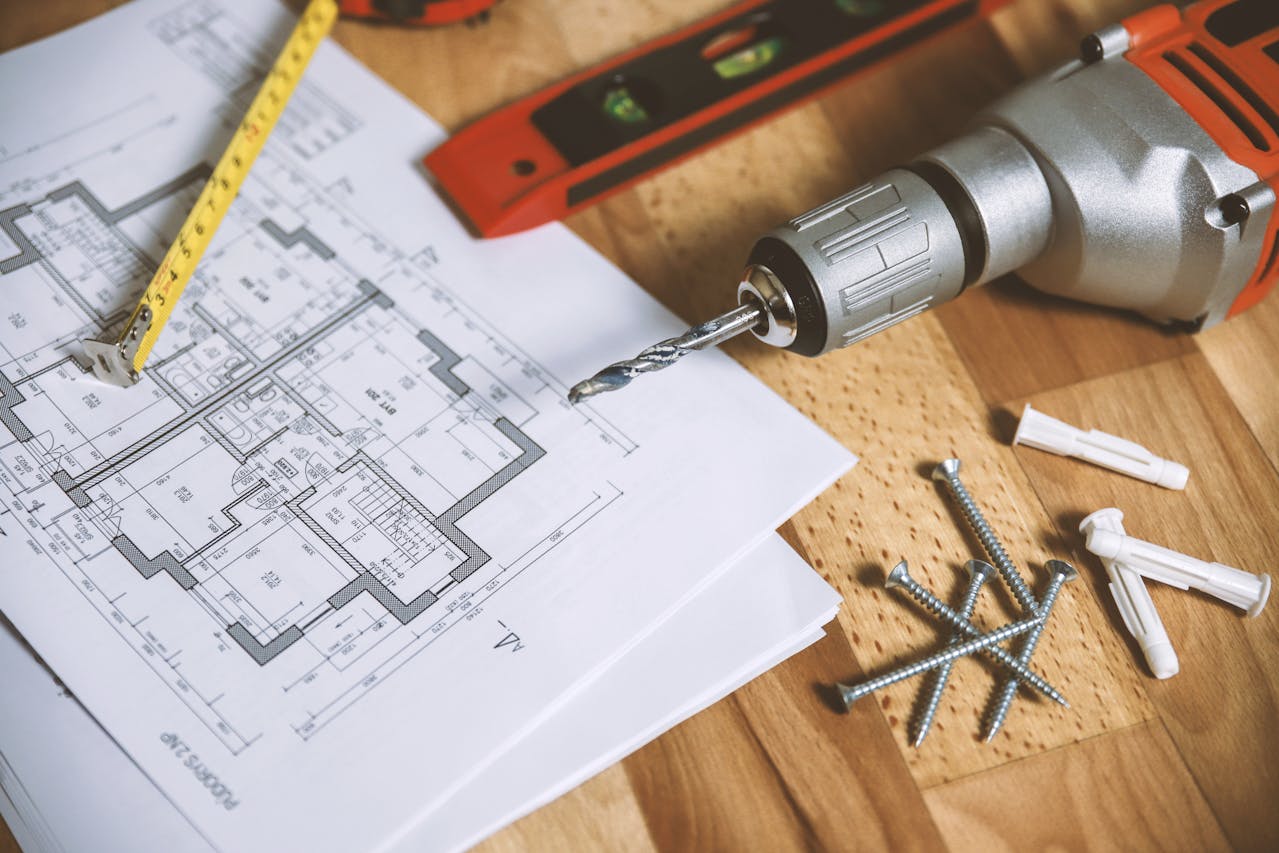
The best ones are practical, durable and visible. They also tend to match the expectations of renters in your area. Examples include:
- Fresh, neutral interior paint.
- Durable flooring such as luxury vinyl plank in place of worn carpet.
- Updated light fixtures, hardware and faucets.
- Deep cleaning, landscaping and curb appeal improvements.
- Modern appliances or a washer and dryer where renters expect them.
- Smart locks or thermostats for convenience and security.
The advantage of upgrades is that they last. A clean, updated home can lease faster, attract stronger applicants and often renew more easily.
The disadvantage is cost and uncertainty. Not every dollar spent returns a dollar of rent, so focus on improvements that fix the issues renters are actually mentioning.
Ready to Chat?
Book a Property Management Consultation!
How Rent Concessions Work
A concession is a short-term incentive that lowers the effective cost of renting. It may be a reduced first month, a waived fee, a discount for a quick move-in or a small credit toward something the tenant needs.
Concessions are popular because they can be offered immediately and do not require repairs or a long timeline. The advantage is speed. A well-timed incentive can bring a hesitant applicant over the line.
The downside is that you give up income, and the concession can become the new anchor in the renter’s mind.

If the incentive is large, it may also attract applicants who are mainly price-driven and less likely to stay. Concessions work best as a targeted tool for a specific problem, not a substitute for correct pricing.
Comparing the Real Costs
To decide between the two, put numbers on each option. Start with what a vacant month costs you: lost rent, plus utilities, lawn care, insurance and the mortgage or other carrying costs you still pay. Then compare:
- The upfront cost of the upgrade and how long it would take to complete.
- The extra monthly rent the upgrade might support, based on comparable homes.
- The total value of a concession, such as half a month of rent given up.
- The expected number of extra vacant days under each approach.
Often the cheapest choice is not the one with the smallest price tag. A modest upgrade that removes a clear objection can pay for itself in one or two months of avoided vacancy.
A concession can be the better call when the home is already in good condition and the only issue is timing. Run the numbers for your specific property rather than relying on a rule of thumb.
Remember that a lower rent is not the same as a concession. A permanent price reduction affects every future renewal and your annual income, while a one-time incentive affects only the first stretch of the lease.

Understanding that difference helps you choose the option that protects your long-term return while still getting the home occupied.
Which One Leases Faster?
In the short term, concessions often get attention faster, because they change the headline value of the home. In the longer term, upgrades tend to produce more durable results, since they address the reasons renters hesitate in the first place.
A home with real condition problems will usually keep struggling no matter how attractive the incentive is. A practical approach is to combine the two in a measured way.
Fix the visible objections first, price the home in line with current comparables and keep a small, time-limited incentive in reserve for a strong applicant who needs a nudge.
Peabody Residential, a boutique firm focused on single-family homes in Northern Virginia and the DC area, states that its homes lease in about 30 days on average, a company-stated figure, so ask how that is measured and what it includes.
Want More Information?
Avoiding Common Mistakes
Owners who struggle to lease often make the same few errors. Watch for these patterns:
- Over-improving the home beyond what the neighborhood will pay for.
- Cutting the rent repeatedly in small steps instead of making one informed adjustment.
- Offering concessions without a clear end date or written terms.
- Skipping professional photos and a strong listing description.
- Waiting too long to respond to a pattern of showings without applications.
Document any incentive in the lease so there is no confusion about what was promised. For specific lease language, verify current requirements and consult a qualified attorney.
Bottom Line
Upgrades and concessions both have a place. Upgrades fix the underlying appeal of the home, while concessions solve short-term hesitation. The fastest path is usually to diagnose the cause, price the home correctly and then use the tool that fits.
To discuss your home with Peabody Residential, call 703-436-6964 or stop by 11890 Sunrise Valley Dr #101, Reston, VA 20191. Ask about your free rental estimate.
Ready to Get Started?
Frequently Asked Questions
Are Rent Concessions a Good Idea For a Single-Family Rental?
They can be useful when the home is in good condition and priced fairly but needs a nudge. A small, time-limited incentive can win a qualified applicant without permanently lowering the rent. Overusing concessions can signal that the price is too high, so check the market first.
Which Upgrades are Worth the Money Before Listing?
Low-cost, high-visibility work usually pays off first, such as fresh neutral paint, deep cleaning, durable flooring and updated fixtures. Focus on what renters in your area expect. Ask a local manager what comparable homes include before you spend.
How Long Should I Wait Before Changing My Approach?
Watch the pattern of showings and applications over the first couple of weeks. Few showings point to price or marketing, while many showings without applications point to condition or value. Adjust once the pattern is clear, rather than reacting to a single quiet weekend.
Can a Property Manager Help Me Decide?
Yes. A manager sees current rents, showing activity and applicant feedback across many homes. Peabody Residential offers free rental estimates and can be reached at 703-436-6964. Services and performance claims are company-stated, so ask for terms in writing.
Do Concessions Affect the Lease Terms?
They can. Any concession should be written into the lease, including the amount, timing and conditions. For specific wording and legal questions, verify current requirements and consult a qualified attorney before you finalize the agreement.
Let’s Get Started!