Key Takeaways
- Well-maintained, secure homes attract long-term residents and protect a property owner’s financial investment.
- Property owners must follow federal, state, and local housing laws to avoid penalties and ensure safe living conditions.
- Regular inspections and early repairs help prevent major damage, emergency repairs, and liability issues.
- Clear resident communication and detailed maintenance records help resolve issues quickly and protect property owners legally.
Residents expect well-maintained, secure homes that meet modern standards. For property owners, strong safety practices reduce liability, protect property value, and support consistent occupancy in a region where expectations are high.
Whether you own a single-family rental, a townhouse, or a multifamily property, understanding how to maintain safe housing is essential.
The following framework by Peabody Residential, outlines how Northern Virginia property owners can protect both their residents and their portfolios.
[maxbutton id=”2″ url=”https://peabodyresidential.com/contact-us/” text=”Contact Us Today for More Information!” ]
Why Safety Is a Strategic Advantage in Northern Virginia
Safety directly influences resident retention, reputation, and financial performance. Renters in Northern Virginia often have multiple housing options, and properties that demonstrate strong maintenance and care tend to attract long-term residents.
Proactive safety management also reduces unexpected repair costs and insurance claims. Addressing issues early, before they escalate, helps property owners avoid emergency situations and expensive legal disputes.
Most importantly, safe housing builds trust. Residents who feel secure are more likely to communicate concerns, renew leases, and treat the property responsibly.
Understand Federal, State, and Local Requirements
Northern Virginia property owners must comply with federal housing regulations, Virginia landlord-tenant laws, and local building standards. These rules typically address essential services such as electricity, plumbing, heating, and structural stability.
Local jurisdictions may also enforce specific requirements related to occupancy, inspections, and property upkeep. For example, certain counties require periodic inspections for rental units or enforce stricter maintenance codes in multifamily housing.

Staying informed about these regulations protects investors from penalties and helps ensure properties remain legally compliant.
Build a Preventive Maintenance System
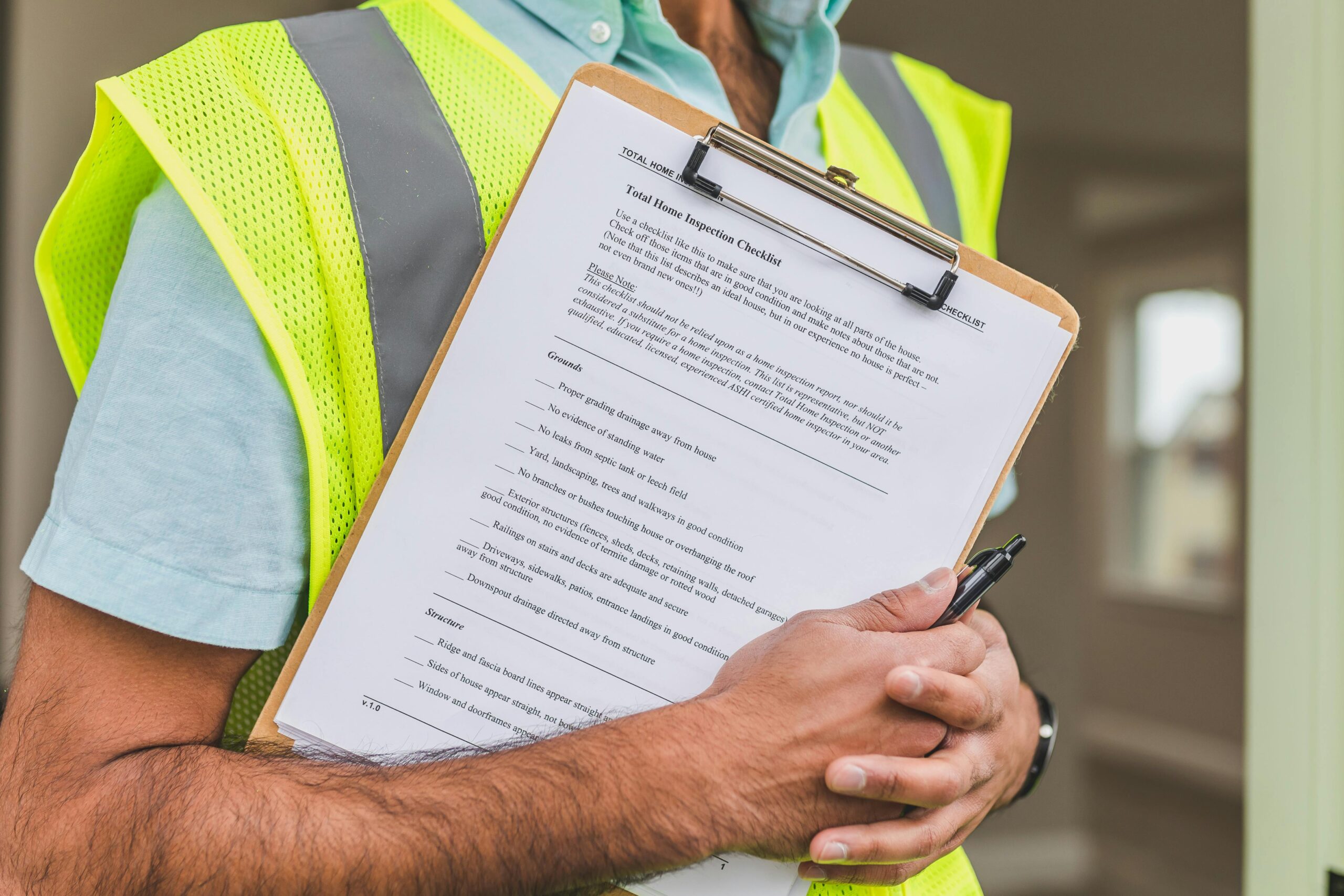
Routine inspections are the foundation of property safety. Rather than reacting to resident complaints, successful investors implement structured maintenance schedules.
Key areas to evaluate regularly include:
- Electrical panels and wiring.
- Plumbing and water systems.
- HVAC performance.
- Roof condition and drainage.
- Structural components such as stairs and railings.
Early detection prevents small issues from becoming major liabilities. For instance, identifying a minor roof leak before it causes mold can save thousands in repairs and reduce resident disruptions.
Preventive maintenance also extends the lifespan of systems, improving long-term returns.
[maxbutton id=”1″ url=”https://peabodyresidential.com/property-management-analysis/” text=”Get a Free Rental Estimate!” ]
Fire Safety
Fire protection is one of the most critical components of rental safety. Northern Virginia property owners should ensure that smoke alarms and carbon monoxide detectors are installed in appropriate locations and tested regularly.
Clear escape routes are equally important. Bedrooms must have accessible exits, and hallways and stairwells should remain unobstructed. In multifamily buildings, proper lighting and emergency signage support safe evacuation.
Providing residents with basic fire safety information and emergency procedures can further reduce risk.
Environmental Health and Indoor Safety
Indoor environmental quality is increasingly important in modern rental housing. Moisture, mold, and pest infestations can lead to health concerns and legal exposure.
Older properties may also require attention to lead-based paint or asbestos compliance. Proper remediation and documentation are essential, particularly in homes built before updated regulations.
property owners should also monitor ventilation, humidity, and indoor air quality. These factors affect both resident well-being and property longevity.
Security and Exterior Safety Measures
Safety extends beyond the interior of the property. Exterior conditions play a major role in accident prevention and resident confidence.
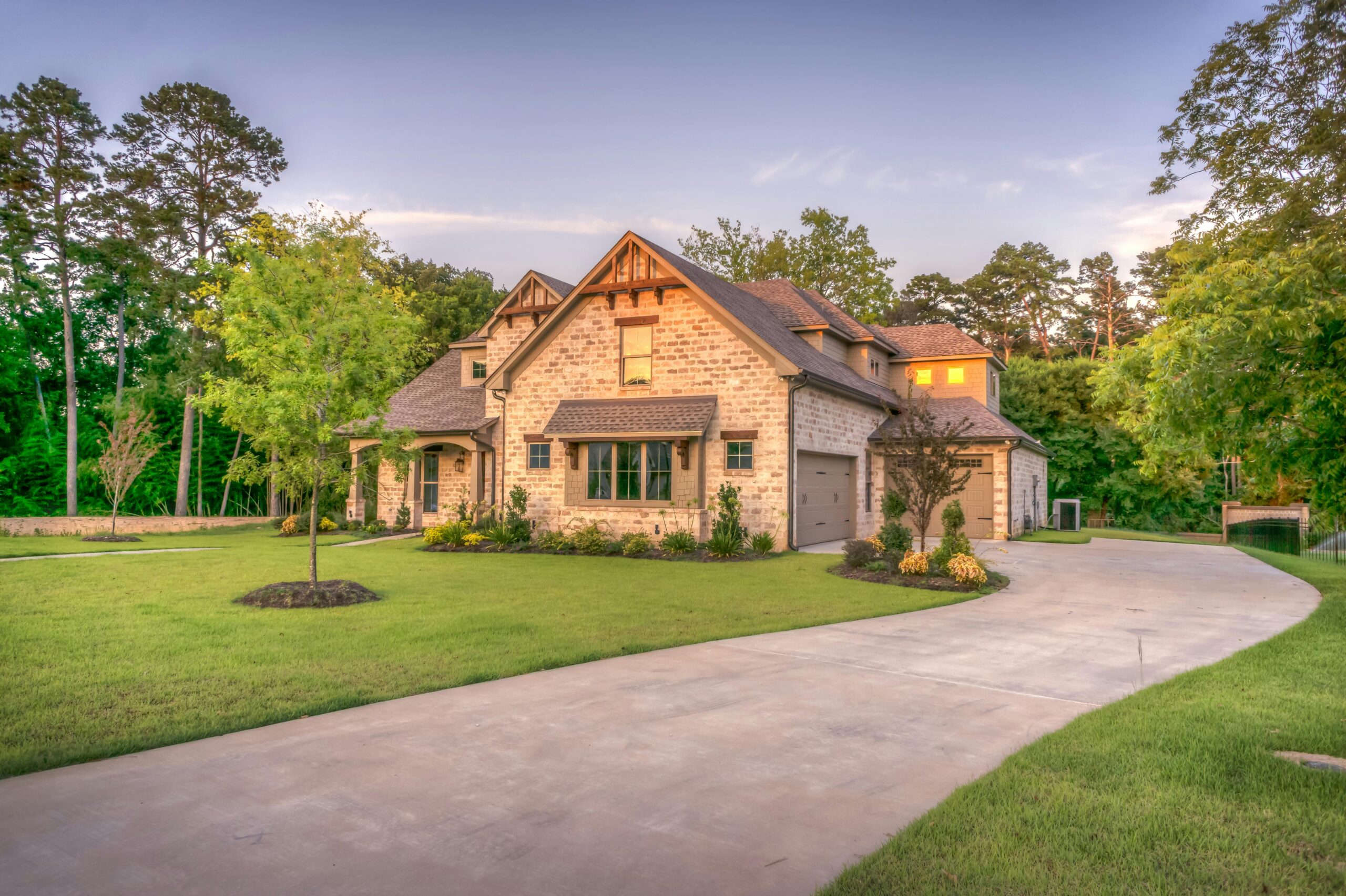
Well-lit walkways, secure locks, and maintained landscaping reduce the likelihood of injuries and security incidents. Motion-sensor lighting and updated door hardware are simple upgrades that provide meaningful protection.
Parking areas, sidewalks, and entryways should be kept in good condition to prevent trip-and-fall hazards, especially during Northern Virginia’s winter months.
Communication and Resident Education
A strong safety culture includes open communication with residents. Residents should know how to report maintenance concerns, access emergency contacts, and respond during urgent situations.
Providing clear instructions on the safe use of appliances, fireplaces, and HVAC systems helps prevent misuse and damage.
Encouraging early reporting also allows property owners to address issues before they escalate.
[maxbutton id=”1″ url=”https://peabodyresidential.com/property-management/” text=”Learn More About Our Property Management Services!” ]
Documentation and Risk Management
Accurate recordkeeping is one of the most effective ways to protect your investment. Detailed documentation of inspections, repairs, and maintenance demonstrates diligence and supports legal compliance.
These records can also strengthen insurance claims and reduce disputes. Digital tracking systems make it easier to manage information across multiple properties.
For investors managing growing portfolios, organized documentation improves efficiency and oversight.
Accessibility and Inclusivity
Northern Virginia’s diverse population includes residents with varying accessibility needs. While not every property requires extensive modifications, property owners should remain aware of fair housing obligations and reasonable accommodation requests.

Simple adjustments such as grab bars, handrails, or accessible entrances can expand your resident pool and enhance property appeal.
Investors who prioritize inclusivity often benefit from longer tenancy and stronger community relationships.
The Long-Term Financial Benefits of Safety
Properties that are well maintained experience lower turnover, reduced vacancy, and fewer emergency repairs.
They also attract higher-quality residents who value stability and care. In competitive markets, this advantage supports consistent income and long-term appreciation.
Strong safety practices also protect investors from lawsuits and regulatory penalties, preserving both capital and reputation. Proactive upgrades often lead to better insurance terms and lower claim risks.
Over time, predictable maintenance expenses improve budgeting and financial planning. This stability strengthens portfolio resilience during market slowdowns. Ultimately, safety becomes a long-term asset that supports both growth and peace of mind.
[maxbutton id=”2″ url=”https://peabodyresidential.com/contact-us/” text=”Get in Touch Today!” ]
Final Thoughts
Safety is not a one-time project but an ongoing commitment. Northern Virginia property owners who take a proactive, structured approach to maintenance and compliance position their properties for long-term success.
By focusing on prevention, communication, and consistent oversight, investors can reduce risk while enhancing resident satisfaction and overall portfolio performance.
If you want expert support maintaining safety standards, coordinating inspections, and protecting your investment, partnering with a professional property management team is the smartest next step.
Peabody Residential handles compliance, maintenance, and resident communication so your Northern Virginia rentals remain secure, efficient, and profitable. Contact us today to learn how we can help your properties perform at their best.