

Key Takeaways
- True emergencies threaten safety, cause property damage, or eliminate an essential service like heat, water, or electricity.
- Virginia law requires landlords to maintain fit and habitable premises, which creates real timing pressure once a resident reports a genuine emergency.
- Routine issues like a slow drain or a dead dishwasher can typically wait for a next-business-day repair without violating any legal duty.
- A written protocol that defines emergencies, names an after-hours contact, and sets a pre-authorized repair limit protects both the property and the owner’s response time.
A resident calls at 11 p.m. saying water is coming through the ceiling. Is that an emergency, or can it wait until Monday?
For owners managing rentals across Fairfax, Arlington, Loudoun, and the rest of Northern Virginia, the answer isn’t always obvious, and getting it wrong in either direction has consequences.
Peabody Residential built its 24/7 emergency maintenance rental system around a clear line between the two. This post lays out where that line falls, what response times owners should expect for urgent repairs, and how to build a protocol before the 11 p.m. call comes in.
Want to Know More?
What Makes a Maintenance Request a True Emergency
An emergency is any condition that puts a resident’s safety at risk, threatens serious damage to the property, or removes an essential service the resident needs to live there.
Life-Safety and Structural Hazards
A gas smell is always an emergency. So is smoke, fire, a carbon monoxide alarm going off, or a front or back door that won’t lock after a break-in or a broken frame.
Exposed wiring, sparking outlets, or a breaker panel that smells hot also qualify. These situations can hurt someone within minutes, not days, so they get dispatched immediately regardless of the hour.
Water and Flooding Emergencies
A burst pipe, a water heater actively leaking onto a floor, a sewage backup, or a roof leak pouring water into a room are all emergencies.
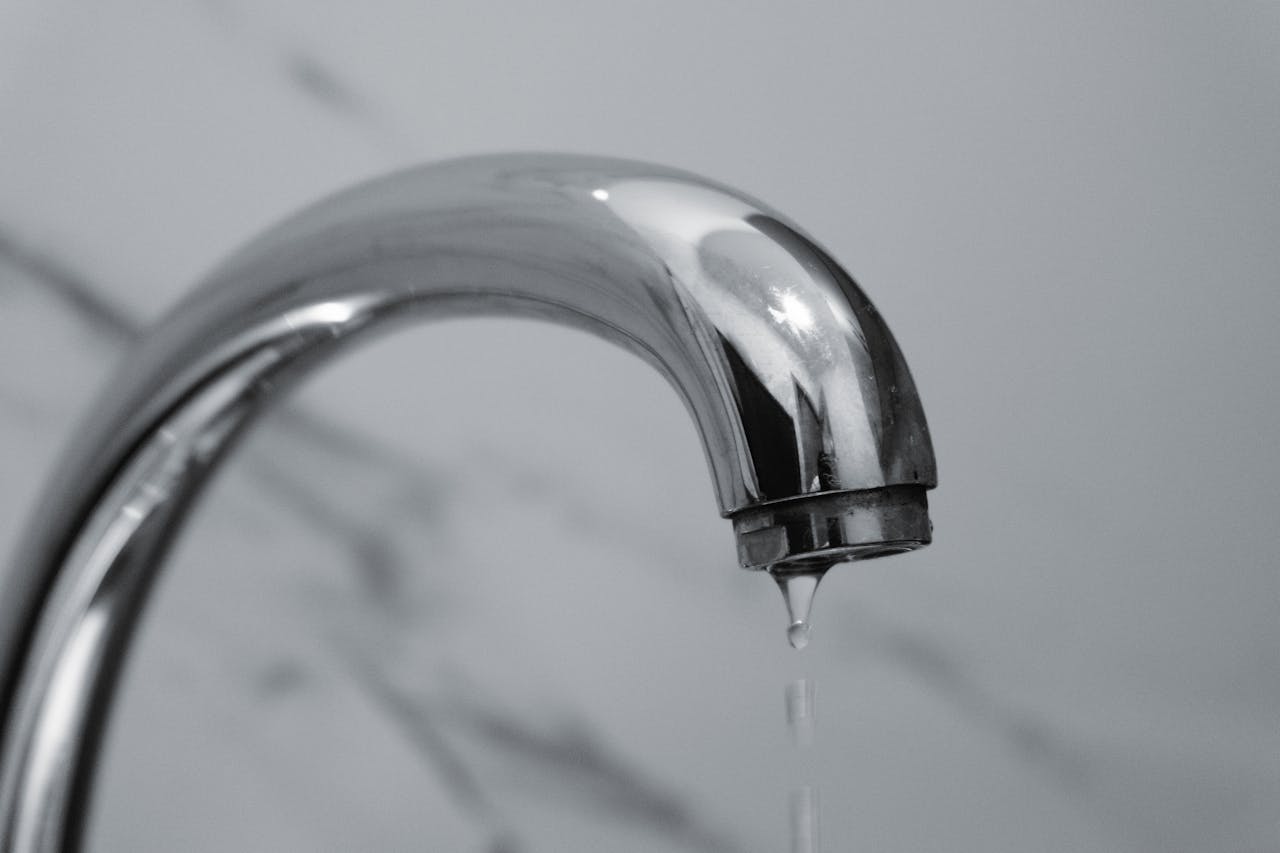
Northern Virginia’s older housing stock, particularly in parts of Fairfax and Arlington, means aging supply lines and roofs fail without much warning.
Left alone overnight, a burst pipe can ruin flooring, drywall, and a resident’s belongings, and it can push a repair bill into the thousands.
No Heat or No Cooling in Extreme Weather
A complete loss of heat in winter is an emergency under Virginia’s habitability standards, especially when overnight lows drop below freezing, which happens regularly across the region from December through February.
A total air conditioning failure during a summer heat advisory carries similar urgency, particularly for a household with a health condition tied to heat exposure. A single warm room or a system running less efficiently than usual is not the same thing as no heat or no cooling at all.
Want to Know More About Your Property?
Book a Free Management Consultation!
What Can Wait: Routine and Non-Urgent Repairs
Most maintenance requests, even ones residents describe as urgent, fall into the routine category.
A dripping faucet, a toilet that runs but doesn’t overflow, a dishwasher or garbage disposal that stopped working, a squeaky door, or a light fixture that flickers can all wait for a scheduled repair during normal business hours.
The distinction matters for cost as much as for legal duty. Dispatching an after-hours maintenance vendor for a non-emergency repair typically costs more than the same job scheduled during the day..

Response Time Expectations for Emergency Maintenance in Northern Virginia
Virginia does not set a single statutory clock that starts the moment a resident reports a problem. Instead, the Virginia Residential Landlord and Tenant Act (VRLTA) requires landlords to maintain the premises in a fit and habitable condition and to keep essential services.
Landlord Liability When Emergency Repairs Are Delayed
Under VRLTA, a resident who reports a failure of an essential service and doesn’t get a reasonably prompt response may have grounds to pursue remedies, which can include rent adjustments or, in more serious cases, lease termination.
Beyond the statute, an owner who knew about a hazardous condition and didn’t act faces greater exposure if that condition causes injury or significant property damage.
Building an Emergency Maintenance Protocol as a Northern Virginia Owner
An emergency protocol doesn’t need to be complicated, but it does need to exist in writing before the first call comes in.
- Define emergency categories in the lease or resident handbook.
- Provide a working 24/7 contact number.
- Pre-authorize a repair spending limit.
- Use licensed and insured vendors who take after-hours calls.
- Document everything.
Conclusion
Owners who set the rules in advance, name a 24/7 contact, and keep a record of every call are in a far better position than owners handling this reactively.
Peabody Residential built its 24/7 emergency line and owner portal notifications around exactly that standard, so owners across Fairfax, Arlington, Loudoun, and the wider Northern Virginia market get told about a problem when it happens, not after the invoice arrives.
If you’re weighing whether your current setup would hold up during a 2 a.m. call, reach out to Jacquelyn at 703-961-0214 for a free rental analysis and consultation.
Have Questions?
Frequently Asked Questions
What Should A Resident Do If They Smell Gas In A Rental Property?
A resident should leave the property immediately, avoid using light switches or anything that could create a spark, and call the gas utility’s emergency line along with the property manager’s 24/7 maintenance line from a safe distance.
A gas smell is treated as an emergency regardless of the time of day. Owners should confirm their lease and resident handbook spell out this exact sequence, since a delay in reporting or evacuating a suspected gas leak carries serious safety risk beyond any property damage concern.
Is A Broken Air Conditioner In Summer Considered An Emergency In Virginia?
A complete loss of cooling during extreme heat is generally treated as urgent, but Virginia law doesn’t classify air conditioning the same way it classifies heat, water, or electricity as an essential service.
Most property managers still prioritize a full AC outage during a heat advisory for dispatch, even without a strict legal deadline. A partial cooling issue, like one room running warm, typically gets scheduled as a routine repair instead.
How Fast Should A Landlord Respond To A No Heat Call In Winter?
Virginia law requires landlords to act with reasonable promptness once notified that an essential service like heat has failed, though the statute doesn’t set an exact number of hours.
In practice, a no-heat call during a Northern Virginia winter should get a same-day response at minimum, and often faster given overnight freezing temperatures common from December through February.
Can An Owner Be Held Liable For A Slow Response To An Emergency Repair?
Yes, an owner can face liability if a documented emergency, such as a burst pipe or a loss of an essential service, goes unaddressed for an unreasonable period and causes property damage or resident harm.
Owners reduce that risk by keeping a written emergency protocol, using vendors who take after-hours calls, and maintaining a documented record of when a request was reported and when it was resolved, which matters if a dispute ever reaches a Virginia General District Court.
Does A Maintenance Reserve Cover The Cost Of Emergency Repairs?
A maintenance reserve is a set amount of funds an owner keeps on hand so a property manager can authorize repairs, including emergency repairs, without waiting for the owner to approve every invoice individually.
This is particularly useful for owners overseas on a Foreign Service posting or a military PCS, since a reserve lets a vendor start work on a burst pipe or a no-heat call immediately rather than waiting on a signature from a different time zone.
Ready to Get Started?